Are Birth Control Pills Safe? What You Must Know
- Unwanted 21 Days
- Apr 15
- 4 min read

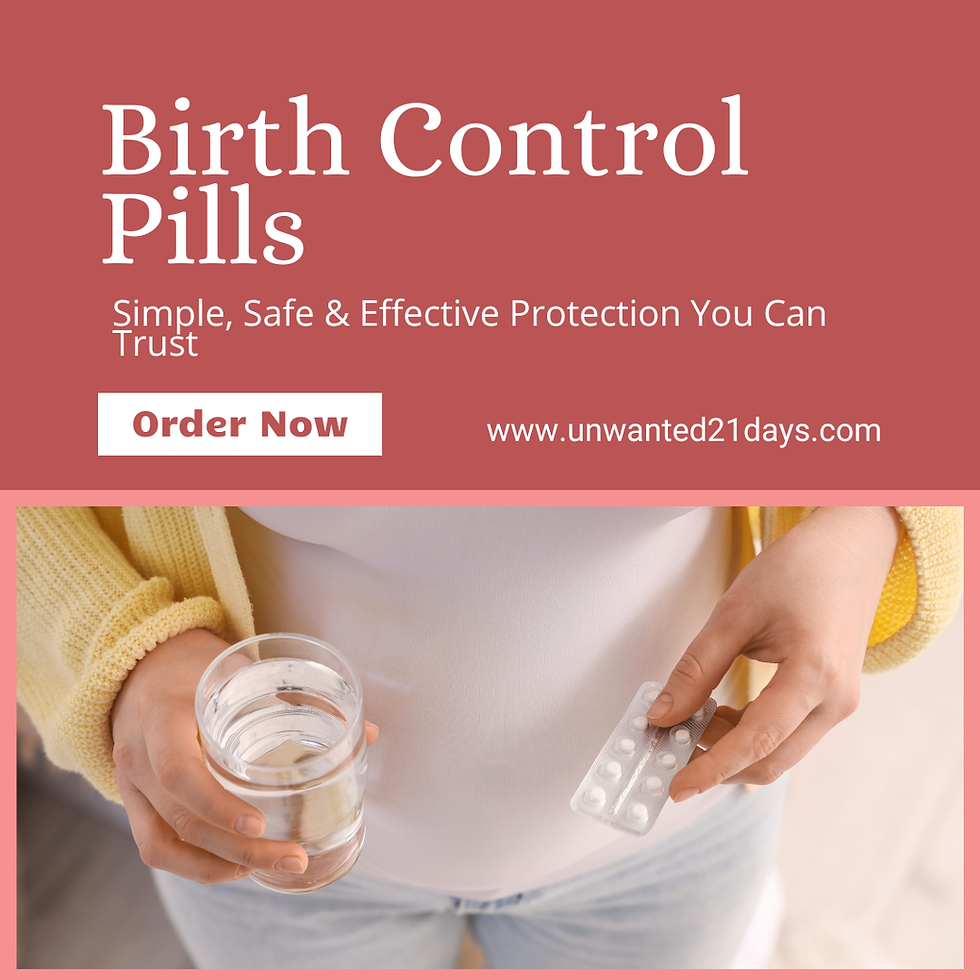
Millions of women take medication every day to prevent pregnancy, manage health conditions, and regulate their menstrual cycles. For decades, these small daily doses of hormones have provided freedom, predictability, and peace of mind. But concerns about health risks often leave women wondering about the long-term impacts on their bodies.
Understanding the safety of birth control pills is essential for making informed decisions about your reproductive health. Medical guidelines constantly evolve, and what was true ten years ago might have changed. This guide breaks down exactly how oral contraceptives work, the potential side effects you might encounter, and the critical conversations you need to have with your healthcare provider.
Understanding the Basics
Birth control pills use synthetic hormones to override your body's natural menstrual cycle. Most commonly, they contain a combination of estrogen and progestin. Others, often called mini-pills, contain only progestin. These hormones work together to prevent your ovaries from releasing an egg during ovulation. Without an egg present, fertilization simply cannot occur.
These medications also change the environment of your reproductive system. They thicken cervical mucus, which creates a physical barrier that makes it incredibly difficult for sperm to travel. Additionally, they thin the lining of the uterus. If an egg somehow happens to be released and fertilized, it will struggle to attach to the uterine wall. When taken correctly at the exact same time every day, this method is highly effective.
Common Side Effects
Most women tolerate oral contraceptives incredibly well. However, introducing new hormones into your system requires an adjustment period. You might experience temporary side effects during the first few months of use. These symptoms usually subside as your body gets used to the medication.
You might encounter mild nausea, noticeable breast tenderness, or slight spotting between periods.
Some women also report mild headaches or slight changes in their mood. If these symptoms persist beyond three months, or if they severely impact your daily life, your doctor might suggest switching to a different brand or a completely different hormone dosage.
Serious Risks and Complications
While generally considered safe for the vast majority of healthy women, birth control pills carry some rare but serious risks. The most widely discussed medical complication is the increased risk of developing blood clots. Estrogen can make your blood slightly more likely to coagulate. Deep vein thrombosis (DVT) or pulmonary embolisms are uncommon, but they require immediate, emergency medical attention.
Smoking significantly amplifies this cardiovascular risk. Medical professionals strongly advise women over the age of 35 who smoke to avoid combination oral contraceptives altogether. High blood pressure and an increased risk of stroke or heart attack are also rare but possible complications that require careful monitoring.
Non-Contraceptive Benefits
Women frequently take these medications for reasons entirely unrelated to preventing pregnancy. The hormones offer several significant health benefits that improve daily quality of life. They can help regulate heavy, unpredictable, or incredibly painful menstrual periods.
Chronic conditions like endometriosis and polycystic ovary syndrome (PCOS) are frequently managed using birth control pills. The consistent hormone delivery can also clear up severe hormonal acne and reduce the lifetime risk of developing certain cancers, such as ovarian and endometrial cancer. Furthermore, they can help prevent ovarian cysts and lower the risk of iron-deficiency anemia caused by heavy menstrual bleeding.
Who Should Look for Alternatives?
Not everyone is an ideal candidate for hormonal contraceptives. Your personal and family medical history plays a huge role in determining safety. You should consult your doctor immediately if you have a history of blood clots, severe migraines with aura, or hormone-sensitive conditions like breast cancer.
Uncontrolled high blood pressure and active liver disease are also major red flags. If you fall into any of these categories, you still have excellent options. Your healthcare provider can recommend safe, highly effective non-hormonal alternatives like the copper IUD or various barrier methods.
Frequently Asked Questions
Do oral contraceptives cause weight gain?
Many women worry about gaining weight, but extensive medical research shows no direct link between the pill and significant fat gain. Some fluid retention can occur initially, which may feel like weight gain, but this usually resolves within a few months.
Can they affect future fertility?
No. Once you stop taking the medication, your natural fertility levels should return to normal. For some women, ovulation resumes almost immediately. Others might need a few months for their natural cycle to fully regulate before they can successfully conceive.
Taking Charge of Your Reproductive Health
Your health needs will inevitably change over time. The method of contraception you chose at age 20 might not be the right fit when you reach age 35. The key to staying healthy is maintaining an open, honest dialogue with your healthcare provider.
By understanding the risks, the benefits, and the nuances of your own medical history, you can confidently decide if birth control pills are the right choice for your current lifestyle. Schedule an appointment with your doctor today to review your current method and ensure it still aligns perfectly with your long-term health goals.


Comments